
Tag: nyc
More bakeries wanted
There are way too many places selling shit like cupcakes and not enough places selling good bread. cupcakes, the short bus of baking.
2019-05-06: NYC eventually delivered.
Bakeries play many roles in our lives: They have that pick-me-up chocolate chip cookie we need after a particularly trying day or they’re home to our favorite lunchtime sandwich. They take all the guesswork out of Thanksgiving pies and simply make breakfast better in the form of croissants, bialys, and bagels. New York is no stranger to tightly spiraled pain au chocolates, dense savory scones, or life-affirming Rugelach, but that hasn’t stopped nearly 12 new bakeries — many of them European imports — from opening their doors in Brooklyn and Manhattan in hopes of securing a coveted spot in our carb-loving hearts. If you’re finding it impossible to keep up, don’t worry: Grub has you covered with this guide to New York City’s recent bakery boom.
Locksmith Hairsalon
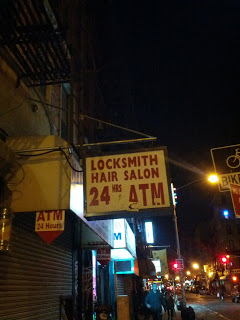
good luck categorizing this business
Cocoron
Japanese style soba in a tiny space. Super delicious.


Governors Island future?
i have always wondered about governors island. this is an intriguing speculation
Vishaan Chakrabarti unveiled a radical proposal to connect the Financial District to Governors Island through a land bridge made of landfill, replete with a new mixed-use, high-rise, green infrastructure community. The setting for his presentation was a conference called “Zoning the City”, convened by New York City’s Department of City Planning and Harvard’s Graduate School of Design, and Chakrabarti’s premise was how to zone for a modern Central Business District, for affordability, for livability, for energy and waste, and finally for resilience. He armed his argument with planning instruments and infrastructure developments, such as the transfer of air rights and the provision of waste-to-energy facilities, and he closed with a bold vision to create a projected “8 km2 of development and generate $16.7B in revenue for the city” in a neighborhood that is currently harbor.

Homebrewing troubles

Hard to make a good beer on a day when millions of idiots buy crap beer and drool on their couches
Greatest grid
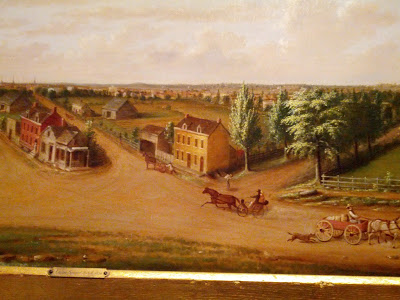
Visions of Manhattan and the 1811 master plan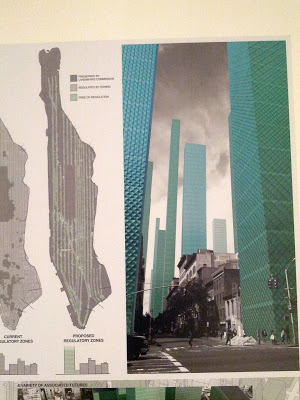
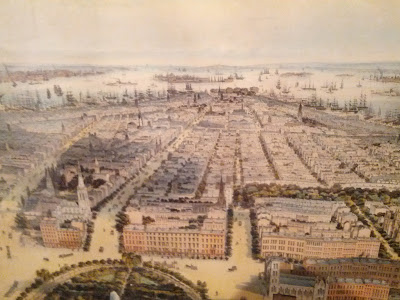
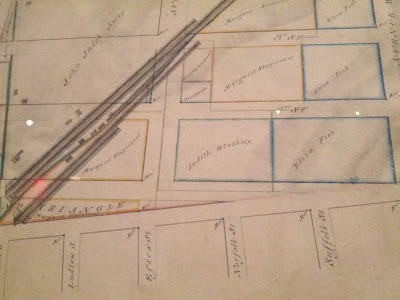

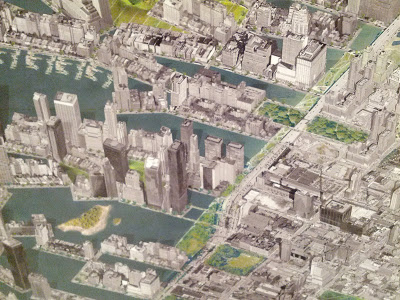

The city grid, which once served to organize the development of private real estate by providing access to land parcels, now has a more pressing role to play in making cities livable. Our reimagining of the grid starts from the premise that how we use public rights of way no longer meets the city’s needs, so we should transform the streets radically, dedicating them to pedestrians. Our idea has 2 major precedents: the Dutch woonerf and the Barcelona superblock. The shared street or woonerf has a continuous, curbless, textured surface, and through these cues and others (such as signage), nudges car drivers to conform to the speed of pedestrians using the same space.

MTA doing it wrong
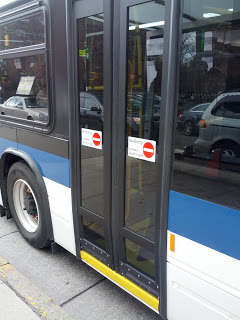
New busses but still the obsolete and slow front entrance
Children nonsense

The canonical think of the children nonsense legislation
Bryan Elopement
Helping my friend bryan elope. Death to the marriage industrial complex!



 Gregor J. Rothfuss