lots of improvements this season.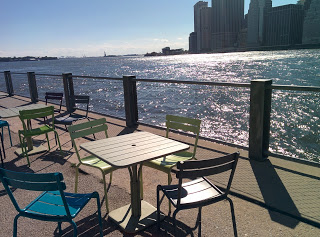
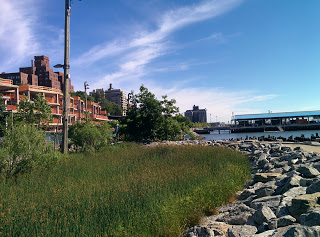
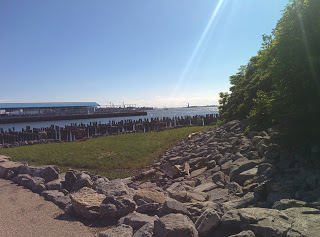
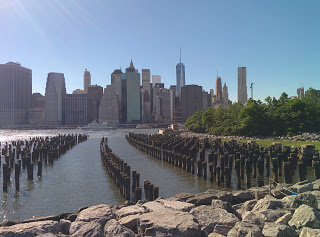

Tag: images
Bushwick open studios
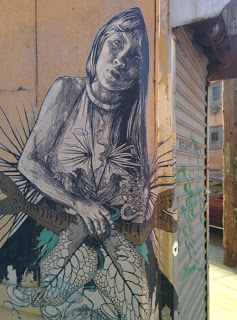
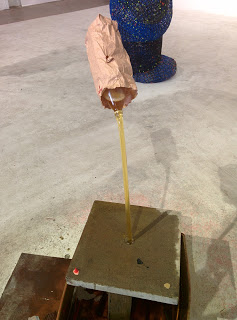
as always, lots of change in the neighborhood. there are 100s of studios and gallery spaces, and the street art is capably curated by the bushwick collective.


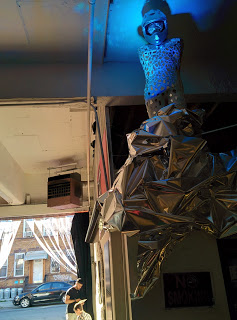
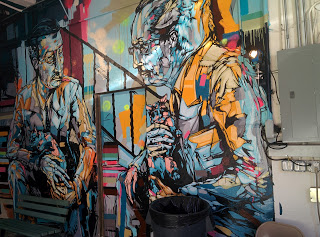

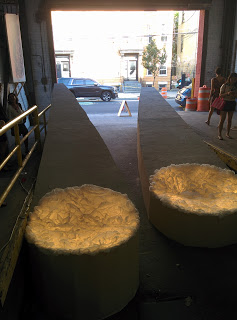
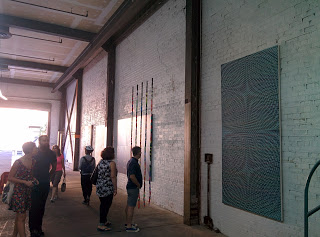

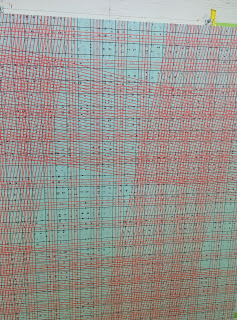

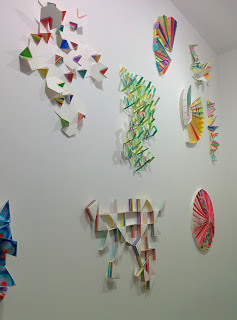

So Strong

Robot movers
i’m going to ask this guy to help me move next time.
Grown bridges
In the depths of northeastern India, in one of the wettest places on earth, bridges aren’t built — they’re grown

Glass Bridge

the Zhangjiajie Grand Canyon Glass Bridge will be 380m long, 6m wide and feature a transparent glass floor, floating 300m above the canyon.
Manhattan 2030
I’m wondering if the other boroughs will also get denser over this period. There is a lot of unused land that could house residents instead of forcing them ever farther into the suburbs.
Converting blood to neural cells

Now we can take easy to obtain blood samples, and make the main cell types of neurological systems in a dish that is specialized for each patient. Until now, no one’s had the ability and required technology to actually test different drugs to find something that targets the peripheral nervous system, and not the central nervous system, in a patient-specific manner
Light-emitting paper

researchers developed a thin, clear nanocellulose paper made from wood flour and infused it with biocompatible quantum dots — tiny semiconducting crystals — made out of zinc and selenium. The paper glowed at room temperature and could be rolled and unrolled without cracking. The researchers are currently developing papers that emit other colors than blue.
The Galaxy from Orbit

Astronaut Terry Virts, aboard the International Space Station, shared this picture earlier today, stating this was “the view of our Galaxy from space.”
Normally, the reason you can’t see stars in high oblique photos from the space station is that the shutter speed is too fast. Fast shutter speeds are used to eliminate blur from the motion of the orbiting outpost. One exception to this rule is when astronauts use camera settings specifically to photograph features such as the Aurora and the Milky Way. The crew must use slower shutter speeds in order to capture the light of the aurora. In these cases stars also show up in the photograph. The photos are also slightly blurry because very long exposures are needed to capture these dim nighttime features.
 Gregor J. Rothfuss