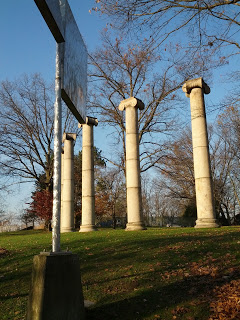
seen in prospect park.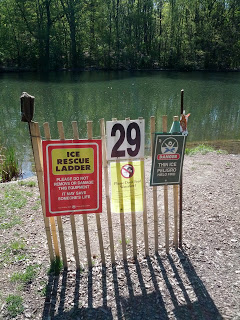
Tag: exploration
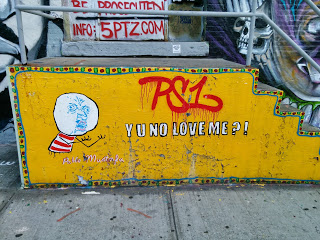
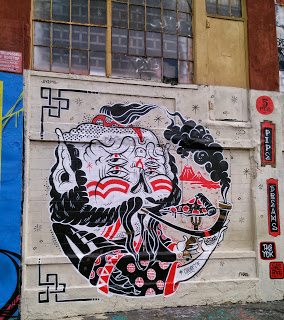
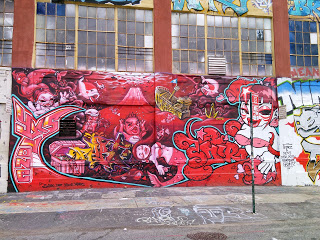
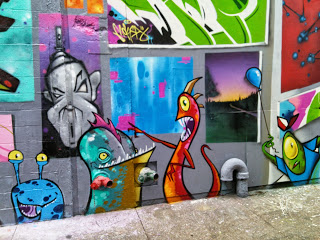
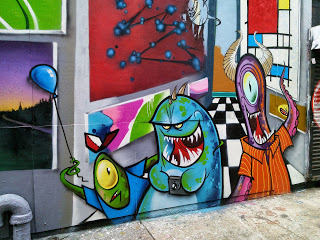
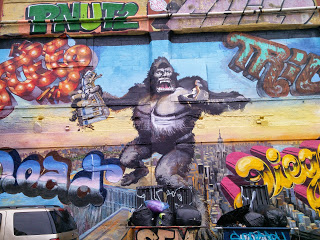
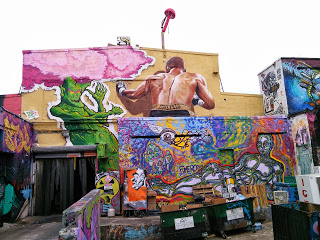
5pointz
unfortunately it will be torn down in september 2013 to make room for condos.
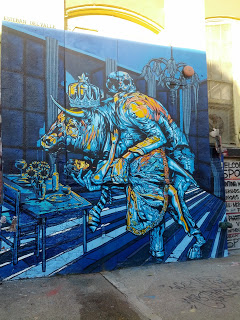
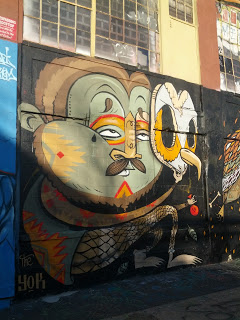
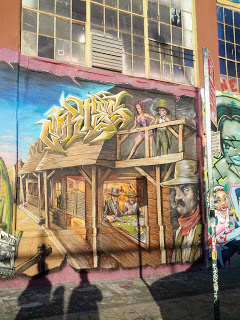
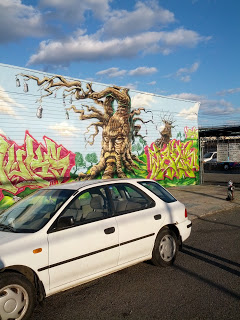
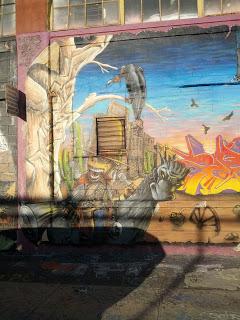

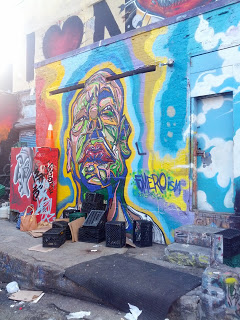

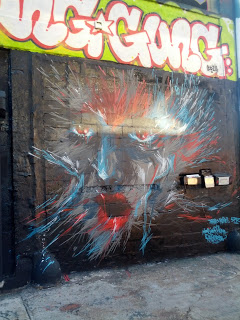

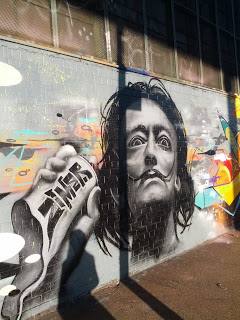
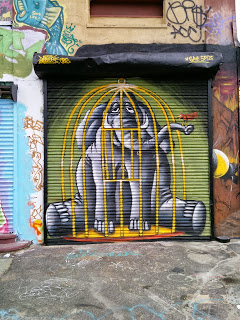
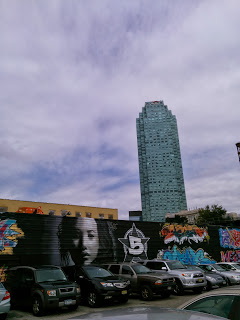
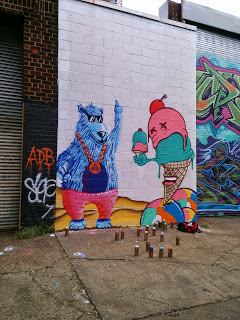
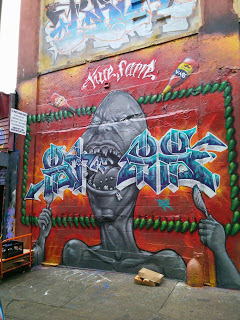
5 pointz will be demolished in a few weeks, so i went there today and the pieces are one big last hurrah.




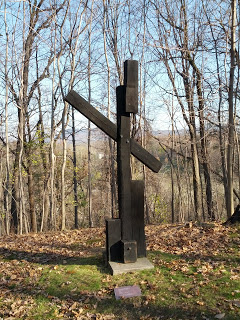
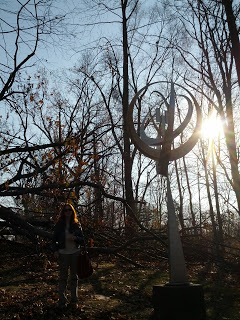
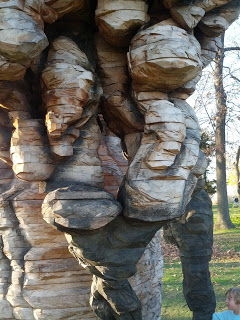
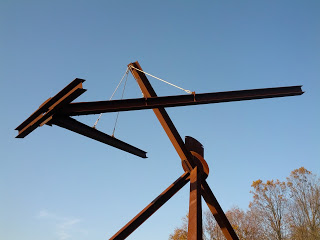
Storm King
This outdoor sculpture garden is magnificent. Easily one of the most impressive art museums i have seen in years. Unfortunately for you, the season is about to end, but you can go there in the spring. There is a bus on the weekend from 42nd.







Proxima Centauri
The new planet we’ve found there is so very near our own that its night sky shares most of Earth’s constellations. From the planet’s broiling surface, one could see familiar sights such as the Big Dipper and Orion the Hunter, looking just as they do to our eyes here.
2012-10-19: Saturn as viewed from the moon vs Proxima Centauri viewed from Saturn

2020-04-25:
The proposal assumes a peak spacecraft velocity of 10% of the speed of light. Once launched out of Earth’s gravitational well, the remaining spacecraft is composed of 2 stages. The first stage accelerates the spacecraft to 0.1c, detaches from the second stage, and performs a smaller perpendicular burn to deflect its trajectory toward the Proxima Centauri AB binary system for a flyby of that solar system. The second stage decelerates a scientific payload and provides power and support during a decades-long period of exploration.
Why is it so difficult to detect planets around Alpha Centauri? Proxima Centauri is one thing; we’ve found interesting worlds there, though this small, dim star has been a tough target, examined through decades of steadily improving equipment. But Centauri A and B, the G-class and K-class central binary here, have proven impenetrable. Given that we’ve found over 4500 planets around other stars, why the problem here?
Proximity turns out to be a challenge in itself. Centauri A and B are in an orbit around a common barycenter, angled such that the light from one will contaminate the search around the other. It’s a 79-year orbit, with the distance between A and B varying from 35.6 AU to 11.2. You can think of them as, at their furthest, separated by the Sun’s distance from Pluto (roughly), and at their closest, by about the distance to Saturn.
The good news is that we have a window from 2022 to 2035 in which, even as our observing tools continue to improve, the parameters of that orbit as seen from Earth will separate Centauri A and B enough to allow astronomers to overcome light contamination. I think we can be quite optimistic about what we’ll find within the decade, assuming there are indeed planets here. I suspect we will find planets around each, but whether we find something in the habitable zone is anyone’s guess.

Alphabet City Community Gardens
one of the many reasons that make alphabet city the best neighborhood in nyc are the many community gardens: there are more gardens in that neighborhood than in most other neighborhoods together. these gardens grew out of reclaimed lots, and the map has them all.
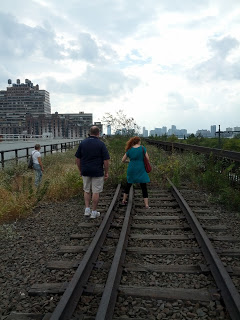
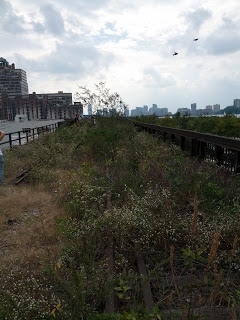
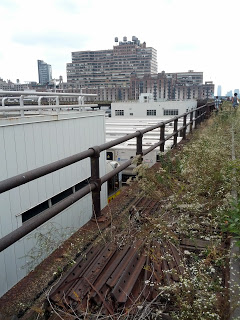
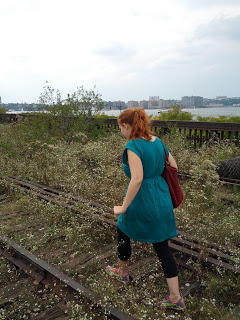
Highline preview
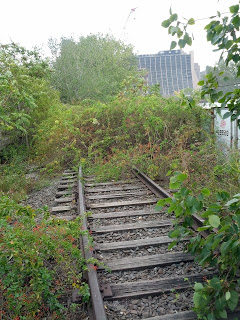
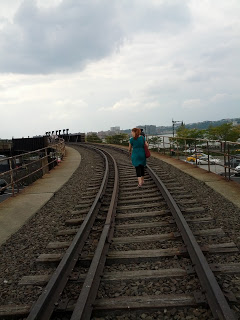
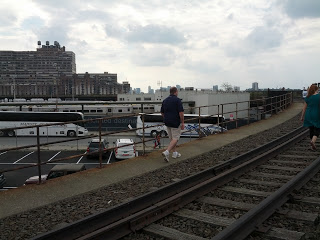
today i got to visit the third part of the highline, opening in 2014 or 2015.




Lowline
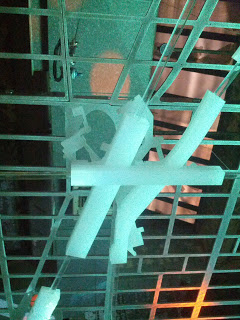
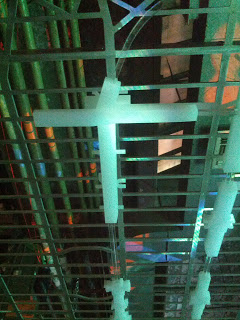
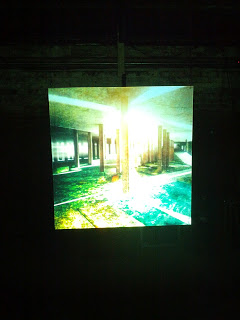
the first underground park in the world, coming to the LES. more at The Lowline Kickstarter Video




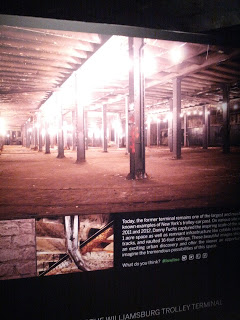
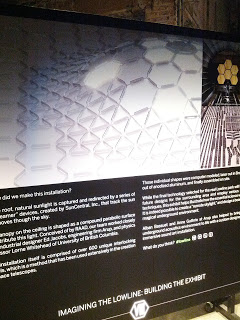

Why we explore
When a human stood on the Moon and looked back at the Earth, we changed, fundamentally. Our human horizon popped out 300K km. Forever, we would see the Earth differently, because we had seen it from someplace truly foreign. This is why Mars is important. When we get a human to Mars our horizon will expand 1000x farther, and it will never go back.
RIP Neil Armsrong

One of the greatest figures in world history, the first to set foot on another world.
The achievement of Neil Armstrong and his crew, relayed live on television on July 20th 1969, held the entire planet spellbound. On their return to Earth, the astronauts were mobbed. Presidents, prime ministers and kings jostled to be seen with them. Schools, buildings and roads were named after them. Medals were showered upon them. A whirlwind post-flight tour took them to 25 countries in 35 days.
SI botanical garden
the staten island botanical garden is quite nice, and easy to reach from manhattan. the only downside is the retarded security theater on the ferry.






 Gregor J. Rothfuss