a drunk man in Japan was arrested for kicking a humanoid robot that was stationed as a greeter at a SoftBank store. Weng is advocating for special robot laws to address the unique nature of human-robot interactions. He argues that humans perceive highly intelligent, social robots like Pepper (which can read human emotions) differently than normal machines—maybe more like pets—and so the inappropriate treatment of robots by humans should be handled with this in mind.
Month: October 2015
Sleep Aid
It’s late, and you’re still awake. Allow us to help with Sleep Aid, a new series devoted to curing insomnia with the dullest, most soporific prose available in the public domain. Tonight’s prescription: “How Mechanical Rubber Goods Are Made,” first published in the Scientific American Supplement on February 13, 1892.
Baby Flask

It’s so frustrating not being able to enjoy my adult beverage in public. Sporting events, movies, church, all frown on bringing in your own booze. Instead of brown-bagging your beverage at the next bash, why not hide it in plain sight, inside a baby flask!
Robot Personhood
A drunk man in Japan was arrested for kicking a humanoid robot that was stationed as a greeter at a SoftBank store. The man was angry at the attitude of one of the store clerks. The “Pepper robot” now moves more slowly, and its internal computer system may have been damaged. Whether a robot can be legally “injured” or not is debatable, and raises the question of what exactly robot laws should look like. Weng has proposed 2 special regulations for robots. First, a “Humanoid Morality Act” would define a proper relationship between humans and robots, including the use of coercive power to constrain unethical applications. Second, a “Robot Safety Governance Act” would extend current machine safety regulations to protect the safety of both humans and robots.
Benny Hill
Benny Hill This makes all YouTube videos better by speeding them up and adding Yakkity Sax music.
ManyCities
“ManyCities” is a new website that “explores the spatio-temporal patterns of mobile phone activity in cities across the world,” including London, New York, Los Angeles and Hong Kong. Taking complex data and organizing it in a intuitive way, the application allows users to quickly visualize patterns of human movement within the urban context down to the neighborhood scale. You can imagine how useful a tool like this can be for urban planners or even daily commuters, especially once real time analytics come into play. Take a look at ManyCities yourself, here.

Cytegen
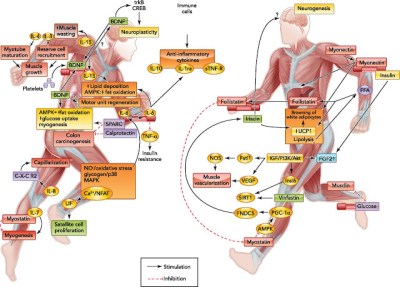
CyteGen’s hypothesis is that exercise induces the secretion of blood-borne proteins that act systemically to stimulate removal of damaged mitochondria and enrichment of healthy mitochondria mitochondrial fitness. The company’s goal is to identify these proteins to develop into biologics that would serve as a platform to treat the myriad of diseases associated with mitochondrial dysfunction.
Exercise Pills
Everyone knows that exercise improves health, and ongoing research continues to uncover increasingly detailed information on its benefits for metabolism, circulation, and improved functioning of organs such as the heart, brain, and liver. With this knowledge in hand, scientists may be better equipped to develop “exercise pills” that could mimic at least some of the beneficial effects of physical exercise on the body. But a review of current development efforts ponders whether such pills will achieve their potential therapeutic impact, at least in the near future.
Apple Mafia Methods
Fiorina’s “good friend” Steve Jobs blithely mugged her and HP’s shareholders. By getting Fiorina to adopt the iPod as HP’s music player, Jobs had effectively gotten his software installed on millions of computers for free, stifled his main competitor, and gotten a company that prided itself on invention to declare that Apple was a superior inventor. And he lost nothing, except the few minutes it took him to call Carly Fiorina and say he was sorry she got canned.
KCBC Investor meeting
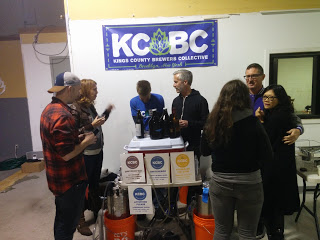
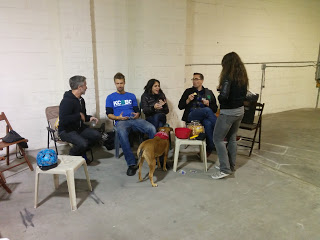
we had a little get-together for investors at kcbcbeer.com, a new brewery opening in bushwick in spring 2016.



 Gregor J. Rothfuss